How GH and MK-677 Cause Insulin Resistance and What to Do

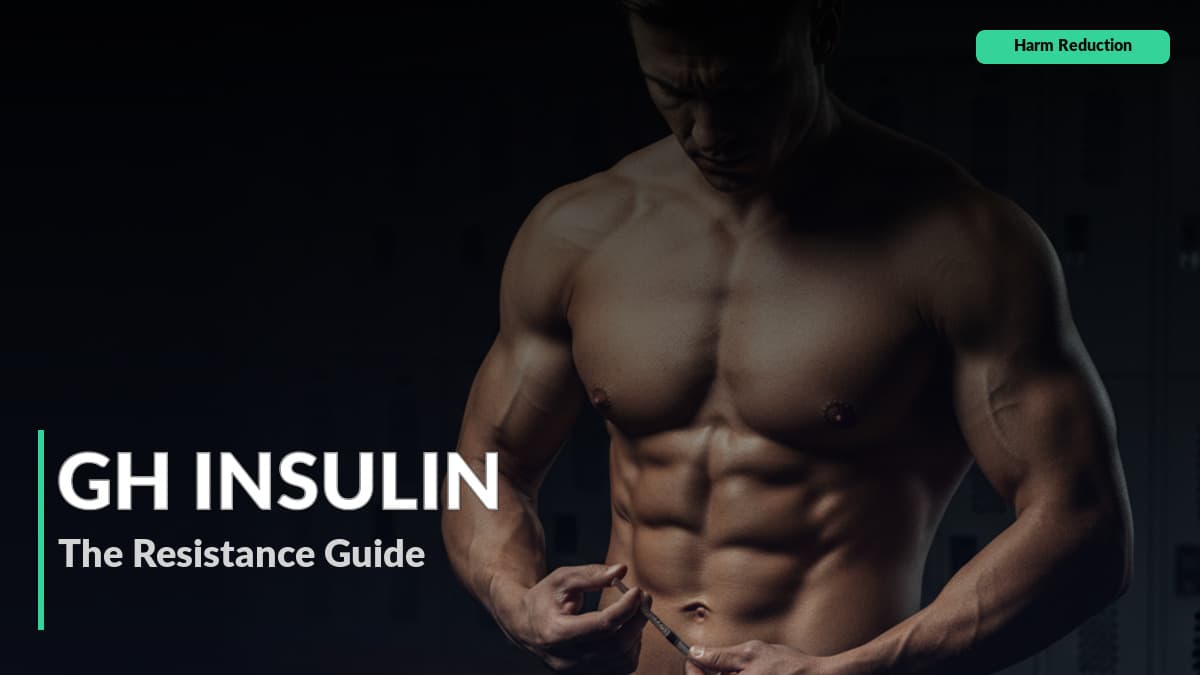
You added GH to your protocol three months ago. The body composition changes are real: you are leaner, your skin looks better, you recover faster. Then you get bloodwork back and your fasting glucose is 5.8 mmol/L. Your HbA1c ticked up from 5.2% to 5.6%. Your doctor mentions "pre-diabetes" and you start wondering whether the trade-off is worth it.
Or maybe you went the peptide route. MK-677 seemed like the safer option because it is oral, cheap, and "not real GH." Except your fasting glucose is now higher than it was on actual GH, and nobody warned you about that.
This article covers how GH and GH-releasing peptides cause insulin resistance, which blood markers actually matter, what your numbers mean, and what to do about it before transient pharmacology becomes permanent metabolic damage.
This article is for educational purposes only and does not constitute medical advice. Insulin resistance can progress to type 2 diabetes. Work with a physician when interpreting bloodwork and never adjust medications without medical supervision.
How growth hormone causes insulin resistance
The mechanism is not what most people assume. GH does not block the insulin receptor directly. It causes insulin resistance indirectly, through fat metabolism.
The lipolysis-FFA pathway
When you inject GH, it activates hormone-sensitive lipase in your adipose tissue. This is the mechanism behind the fat-loss effect everyone wants. But that same lipolysis floods your bloodstream with free fatty acids (FFAs). These FFAs enter skeletal muscle cells, where lipid intermediates (diacylglycerol, ceramide) impair insulin receptor substrate-1 signalling and downstream GLUT4 translocation. Your muscle cells become less responsive to insulin.
This is called the glucose-fatty acid cycle (Randle cycle): when cells are burning fat, they resist burning glucose. Your pancreas compensates by producing more insulin, and your fasting insulin rises. Eventually, even the extra insulin is not enough, and fasting glucose starts climbing too.
The proof that lipolysis is the causal mechanism: when researchers blocked GH-stimulated lipolysis with acipimox during GH infusion, insulin sensitivity was fully restored (Hjelholt et al., 2020). Block the fat release, and the insulin resistance disappears.
The GH/IGF-1 paradox
Here is something that confuses a lot of people: IGF-1, the hormone that GH raises, is actually insulin-sensitising. IGF-1 increases peripheral glucose uptake and suppresses hepatic glucose production. So if GH raises IGF-1, and IGF-1 improves insulin sensitivity, why does GH make you insulin resistant?
Because at bodybuilding doses (4-10 IU/day), the direct diabetogenic effects of GH overwhelm the insulin-sensitising effects of IGF-1. The lipolytic cascade is too strong. At very low doses (around 0.3 IU/day), GH can actually improve insulin sensitivity by raising bioavailable IGF-1 without triggering meaningful lipolysis (Moller & Jorgensen, 2009). But that dose is far below what anyone uses for body composition.
The net result at bodybuilding doses is clear: insulin resistance wins.
Dose matters: where the risk starts
The dose-response is steep. GH replacement therapy at standard clinical doses (1-2 IU/day) already raises HOMA-IR measurably within the first year (Kim & Park, 2017). At the 4-8+ IU/day doses common in bodybuilding, you are producing GH excess comparable to acromegaly.
And acromegaly tells us exactly what happens with chronic GH excess: in 148 newly diagnosed patients, 28% had frank diabetes and 26% had impaired glucose tolerance. That is 54% with some form of glucose dysregulation at diagnosis (Akirov et al., 2019). A separate registry found diabetes in 52.5% of acromegaly patients (Mazziotti et al., 2015).
If you are running 6 IU/day of GH, you are operating in acromegaly territory. Expect the metabolic consequences to match.
Peptides and secretagogues: same mechanism, different risk profiles
GH peptides work by making your pituitary release more GH. The downstream effect on insulin sensitivity is the same: more GH means more lipolysis, more FFAs, more insulin resistance. But the risk profiles differ based on how each compound raises GH.
MK-677 (ibutamoren): the worst offender
MK-677 is a ghrelin receptor agonist that stimulates GH secretion. It is oral, it has a 24-hour half-life, and it raises GH around the clock. That continuous elevation is the problem.
In 32 healthy elderly subjects receiving 25 mg/day (the standard bodybuilding dose), fasting glucose increased by 25.3% at two weeks and 26.9% at four weeks, from approximately 5.4 to 6.8 mmol/L (Chapman et al., 1996). In a longer two-year trial, 8 of 65 subjects crossed above 6.0% HbA1c, and three required drug discontinuation due to persistent hyperglycaemia (Nass et al., 2008).
MK-677 also directly activates ghrelin receptors in the pancreas, which can further impair insulin dynamics independently of GH. The combination of 24-hour GH elevation plus direct pancreatic effects makes MK-677 arguably worse for insulin sensitivity than equivalent GH doses from injections.
A case report documented a 34-year-old bodybuilder who developed HbA1c of approximately 11.4% (frank diabetes) after just 26 days of MK-677 use (Soucek et al., 2022). This is an extreme case in a likely predisposed individual, but it demonstrates how quickly things can deteriorate.
MK-677 is frequently marketed as a "SARM" or a safe oral alternative to GH. It carries the same insulin resistance risk as exogenous GH, and possibly worse due to its 24-hour activity and direct pancreatic effects. Do not assume it is metabolically benign.
CJC-1295/ipamorelin combos
Ipamorelin is a growth hormone-releasing peptide (GHRP) that stimulates GH pulses without raising cortisol or prolactin to any meaningful degree. CJC-1295 (with or without DAC) is a GHRH analogue that extends the duration of GH release. Together, they produce a more physiological pulsatile GH pattern than either MK-677 or exogenous GH injections.
The pulsatile release pattern matters because it gives your tissues recovery windows between GH peaks. In theory, this should produce less insulin resistance per unit of GH released compared to continuous elevation from MK-677 or twice-daily GH injections. No head-to-head human trial has confirmed this directly, but the mechanistic rationale is sound: less continuous FFA elevation means less sustained Randle cycle suppression of glucose oxidation.
In practice, CJC-1295/ipamorelin combos at typical doses (100-300 mcg each, 1-3x daily) produce more modest IGF-1 elevations than exogenous GH at bodybuilding doses. Lower total GH exposure means less insulin resistance, but "less" does not mean "none." Monitor the same markers.
Sermorelin and tesamorelin
Sermorelin is a GHRH analogue with a short half-life (10-20 minutes), producing brief GH pulses that mimic physiological secretion. Its insulin resistance signal is the mildest of the group because total GH exposure remains relatively low.
Tesamorelin is unique: it is the only GH-releasing peptide FDA-approved specifically for reducing visceral adipose tissue (in HIV-associated lipodystrophy). The phase III trials showed substantial visceral fat reduction without worsening insulin resistance in most patients, though fasting glucose did increase modestly in some studies. If visceral fat reduction is your goal alongside GH benefits, tesamorelin has the best evidence profile.
How they compare
| Compound | GH pattern | IR severity | Duration of action | Evidence quality |
|---|---|---|---|---|
| Exogenous GH (4-8 IU) | Bolus, 1-2x/day | Significant | Hours per injection | Strong (acromegaly data) |
| MK-677 (25 mg) | Continuous, 24h | Significant | 24 hours | Strong (RCTs) |
| CJC-1295 + ipamorelin | Pulsatile | Moderate | Hours per dose | Moderate |
| Sermorelin | Brief pulses | Mild | Minutes | Moderate |
| Tesamorelin | Sustained GHRH | Mild to moderate | Hours | Strong (phase III) |
The GH gut connection
This section matters because the most common "management strategy" for GH-induced insulin resistance in bodybuilding is the one that creates the most damage.
The chain of events: GH raises your blood glucose. You notice your fasting glucose is climbing. Someone at the gym tells you to add exogenous insulin to "manage" it. You start pinning 4-10 IU of Humalog or Humulin R post-workout.
The problem: insulin is a potent lipogenic hormone. It activates SREBP-1c in the liver and promotes visceral fat accumulation. Meanwhile, the IGF-1 that GH raised is driving intestinal epithelial cell proliferation via PI3K/Akt signalling. In GH-transgenic mice, small and large intestine weight, length, and circumference were all increased across the board (Jensen et al., 2022). In rats, systemic IGF-1 infusion increased gut weight by 60% and gut length by 32% (Howarth et al., 1997).
The combined effect: visceral organ enlargement from IGF-1, plus retroperitoneal fat expansion from exogenous insulin, produces the characteristic protruding abdomen at low body fat. This is palumboism. A 2024 systematic review of 30 studies confirmed high-dose GH and insulin as the primary candidate causes (Suslin et al., 2024).
The takeaway: adding exogenous insulin to counteract GH-induced glucose elevation is pharmacologically logical but biologically catastrophic. It masks the metabolic warning signal (rising glucose) while accelerating the very process (visceral growth) you are trying to avoid.
If your fasting glucose is climbing on GH, the answer is dose reduction, dietary management, or pharmaceutical interventions like metformin or berberine. Not exogenous insulin. The insulin-plus-GH combination is the recipe for GH gut.
Your GH/peptide bloodwork panel
Most standard bloodwork panels will not catch GH-induced insulin resistance early. Here is what you actually need.
Tier 1: every draw
Fasting glucose is your snapshot marker. It tells you what your blood sugar is doing right now. On GH/peptides, it rises after insulin resistance develops, but it is a lagging indicator. Your body can keep glucose normal by pumping out more insulin for months before glucose itself starts climbing.
Fasting insulin is the early warning. It rises before glucose does. Thomas et al. (2019) characterized hyperinsulinemia as the first measurable sign of metabolic dysfunction, detectable before HbA1c or fasting glucose flags a problem (Thomas et al., 2019). If your fasting insulin is trending up while glucose is still normal, your pancreas is working overtime. Act now, not later.
HbA1c reflects your average glucose control over the past 2-3 months. Single glucose readings can vary with meal timing, stress, and exercise. HbA1c smooths that noise out. In the Nass MK-677 trial, HbA1c increased by 0.2% at 12 months versus a decrease in placebo (Nass et al., 2008).
Tier 2: GH-specific
IGF-1 tells you how much GH effect you are actually getting. It must be interpreted against age-adjusted reference ranges because IGF-1 declines continuously from puberty onward (Bidlingmaier et al., 2014). An IGF-1 of 350 ng/mL might be normal for a 20-year-old but supraphysiological for a 45-year-old. Always use the same lab for serial comparisons because assays vary.
HOMA-IR is a calculated index that combines fasting insulin and fasting glucose into a single insulin resistance score. The formula: (fasting insulin in mIU/L x fasting glucose in mmol/L) / 22.5. The constant 22.5 derives from the product of normal fasting insulin (5 mIU/L) and normal fasting glucose (4.5 mmol/L) (Matthews et al., 1985). A healthy HOMA-IR is around 1.0. Most labs will not calculate this for you; you can do it yourself or track it on VitalMetrics.
When to test and timing considerations
Draw your metabolic panel in the morning after an 8-12 hour overnight fast. GH injections acutely increase insulin resistance for 2-5 hours post-injection. If you inject GH in the morning, your fasting draw will capture the acute pharmacological effect on top of the chronic effect, inflating the numbers. The cleanest read: inject GH in the evening, draw blood the next morning before your morning dose.
For MK-677 users: the drug is active around the clock, so there is no "clean window." Draw fasting in the morning before the daily dose and keep timing consistent between draws.
Test at baseline before starting GH/peptides, then at 6 weeks on-cycle, then every 3 months. Any dose change warrants a recheck at 4-6 weeks.
Enjoying this article?
Get evidence-based bloodwork guides delivered to your inbox every two weeks. No spam, unsubscribe anytime.
Reading your numbers: the traffic-light framework
These thresholds are anchored to ADA diagnostic criteria, HOMA-IR population studies, and GH-specific clinical data. They are more conservative than standard clinical cutoffs because you are actively running a compound that drives glucose up. Waiting for a standard "pre-diabetes" diagnosis means you have already been insulin resistant for months.
| Marker | Green (healthy) | Amber (intervene) | Red (stop, reassess) |
|---|---|---|---|
| Fasting glucose | < 5.0 mmol/L (90 mg/dL) | 5.0-5.5 mmol/L (90-99) | > 5.6 mmol/L (100+) |
| Fasting insulin | < 10 mIU/L | 10-15 mIU/L | > 15 mIU/L |
| HbA1c | < 5.5% | 5.5-5.7% | > 5.7% |
| HOMA-IR | < 2.0 | 2.0-2.5 | > 2.5 |
Green: you are metabolically healthy on your current protocol. Continue monitoring every 3 months.
Amber: insulin resistance is developing. This is your action window. Reduce the GH/peptide dose, fix your diet, consider berberine or metformin, and retest in 4-6 weeks. All four markers trending from green toward amber simultaneously is more telling than any single marker crossing a boundary.
Red: you have crossed into clinically concerning territory. The ADA defines impaired fasting glucose at 5.6 mmol/L and pre-diabetes at HbA1c 5.7% (ADA, 2024). At this point, stop the GH/peptide or substantially reduce the dose, see a physician, and do not resume until markers are back in the green zone. A HOMA-IR above 2.5 represents clear insulin resistance in non-obese adults (Gonzalez-Cantero et al., 2014).
Lean, muscular athletes typically have lower baseline HOMA-IR than sedentary adults of the same age. This means even "normal" values trending upward are meaningful. A HOMA-IR that moves from 0.8 to 1.8 over a GH cycle is a bigger signal than the absolute number suggests.
Is GH-induced insulin resistance reversible?
The honest answer depends on how long you have been running GH and whether your beta cells are still intact.
Acute: fully reversible within hours
A single GH dose causes insulin resistance that peaks at 2-3 hours and resolves within approximately 5 hours after GH levels fall. Moller et al. (2011) demonstrated this using euglycaemic-hyperinsulinaemic clamps in GH-deficient adults: the insulin resistance was completely gone once GH cleared (Moller et al., 2011). This means that between daily GH injections, your insulin sensitivity partially recovers. Pulsatile peptides like ipamorelin and sermorelin preserve this recovery window; MK-677 does not.
Short-term cycles: likely reversible within weeks to months
Fasting glucose and insulin typically rise in the first months of GH therapy but show partial metabolic adaptation with continued use (Kim & Park, 2017). After cessation of GH therapy in adolescents treated for growth, insulin sensitivity normalised to control levels within 6 months (Jensen et al., 2008). Short cycles (12-16 weeks) at moderate doses, where beta-cell function is preserved, should resolve fully.
Chronic supraphysiological use: a point of no return
This is where it gets serious. The acromegaly literature provides the best proxy for years of GH excess. After surgical cure of acromegaly, insulin resistance improves substantially. But diabetes persists in roughly 25% of patients even after GH levels normalise (Bolfi et al., 2018).
The reason: beta-cell exhaustion. Years of compensatory hyperinsulinemia (your pancreas working overtime to keep glucose normal despite GH-driven resistance) causes glucolipotoxic damage to the insulin-producing cells. Impaired beta-cell function in chronic GH excess was demonstrated by Baldelli et al. (2000), who showed that insulin secretory capacity, unlike insulin resistance, does not fully recover after normalising GH (Baldelli et al., 2000).
The practical message: if you have been running GH at 4+ IU/day for years without monitoring glucose markers, you may have already sustained beta-cell damage that will not reverse. The exact duration threshold is not defined in bodybuilding-dose human data, but the acromegaly evidence points to years, not weeks, as the risk zone.
Managing insulin resistance on GH and peptides
If your numbers are in the amber zone, you have options before resorting to pharmaceuticals. If you are in the red zone, pharmaceutical intervention alongside dose reduction is warranted.
Non-pharmacological strategies
Carb timing around GH injection: GH acutely impairs glucose disposal for 2-5 hours post-injection. Avoid high-glycaemic carbohydrates during this window. If you inject GH in the morning fasted (common for maximising lipolysis), keep the first meal protein and fat-focused and delay carbohydrate intake by 2-3 hours.
Injection timing: morning fasted injection minimises overlap with post-prandial glucose peaks. If you inject twice daily, the second dose before bed avoids stacking on top of dinner carbohydrates. For MK-677, timing matters less because the drug is active 24 hours, but taking it before bed reduces subjective hunger-driven carbohydrate intake.
Resistance training: a single weight training session increases GLUT4-mediated glucose uptake for 12-48 hours post-exercise. Consistent training is the most potent non-pharmacological insulin sensitiser available. If you are running GH and not training hard, you are removing your body's primary compensatory mechanism.
Diet composition: a lower-glycaemic-index diet reduces postprandial glucose spikes that compound GH-induced basal hyperglycaemia. This does not mean low-carb; it means prioritising complex carbohydrates, fibre, and avoiding large simple sugar loads. For athletes in a caloric surplus on GH, distributing carbohydrate intake across 4-6 meals instead of 2-3 large loads reduces peak glucose excursions.
Berberine
Berberine activates AMP-activated protein kinase (AMPK), the same pathway targeted by metformin. It improves insulin sensitivity, reduces hepatic glucose production, and increases glucose uptake in skeletal muscle. A meta-analysis of 14 RCTs found berberine reduced HOMA-IR by 0.68 units and fasting glucose by 0.56 mmol/L, effects comparable to metformin in head-to-head comparisons.
Dose: 500 mg two to three times daily with meals. Start at 500 mg once daily and titrate up over two weeks to minimise GI side effects (the most common complaint). Berberine is available without prescription in most countries, making it the first-line option for athletes who want to manage GH-induced IR without involving a physician.
Alpha-lipoic acid (ALA) at 300-600 mg/day has weaker evidence but may provide additive benefit alongside berberine.
Metformin
Metformin suppresses hepatic glucose production, which is one of the primary mechanisms by which GH raises fasting glucose. At 500-1000 mg/day (split with meals), it effectively reduces fasting glucose and HOMA-IR. It is the most evidence-backed pharmaceutical option for GH-induced insulin resistance.
Escalation: start at 500 mg with dinner. If fasting glucose remains elevated after 4 weeks, increase to 500 mg twice daily (with breakfast and dinner). Maximum dose for this purpose is 2000 mg/day, but most athletes will respond at 1000 mg/day.
Caveat: metformin depletes vitamin B12 over time. If you are running metformin chronically alongside GH, check B12 annually and supplement if needed.
GLP-1 agonists
Semaglutide, tirzepatide, and the newer triple agonist retatrutide are increasingly used alongside GH in bodybuilding circles. They work through the incretin system: enhancing insulin secretion when glucose is elevated, suppressing glucagon, slowing gastric emptying, and supporting beta-cell function. Retatrutide adds glucagon receptor activation on top of GIP/GLP-1, which increases energy expenditure and hepatic fat oxidation, potentially making it the most effective option for managing GH-induced metabolic effects.
GLP-1 agonists directly counter several of GH's metabolic effects. They are the most powerful pharmacological tool for managing GH-induced insulin resistance, but they come with their own considerations: appetite suppression (problematic in a bulk), nausea, and cost. For a deeper dive on GLP-1 monitoring, see our GLP-1 bloodwork guide.
If you are running GH alongside a GLP-1 agonist, be aware that the GLP-1 can mask GH-induced insulin resistance on bloodwork. Fasting glucose may look normal because the GLP-1 is compensating. Check fasting insulin alongside glucose to get the real picture. If fasting insulin is elevated despite normal glucose, the resistance is still there.
Why exogenous insulin is the wrong answer
This bears repeating: adding exogenous insulin to manage GH-induced hyperglycaemia is the single most dangerous management strategy in bodybuilding pharmacology.
- It masks the metabolic warning signal (rising glucose) while the underlying resistance worsens.
- It promotes visceral lipogenesis, driving the GH gut it was meant to prevent.
- It removes the negative feedback loop that links hyperglycaemia to insulin secretion, accelerating beta-cell burnout.
- It introduces hypoglycaemia risk: fatal hypoglycaemia from exogenous insulin kills bodybuilders every year.
If your fasting glucose is high enough that insulin seems necessary, the correct action is to reduce GH dose, add metformin or a GLP-1 agonist, and reassess. If glucose is above 11.1 mmol/L or you have symptoms of overt hyperglycaemia (excessive thirst, frequent urination, blurred vision), you need emergency medical evaluation, not more drugs.
Berberine is one entry in a wider stack. The on-cycle support protocol maps every supplement to the marker it should move, including the glucose and insulin markers covered here.
Practical recommendations
- Get baseline bloodwork (fasting glucose, fasting insulin, HbA1c, IGF-1) before starting any GH or GH-releasing peptide. You cannot identify a trend without a starting point.
- Retest at 6 weeks after starting, then every 3 months. Any dose change warrants a 4-6 week recheck.
- Calculate HOMA-IR yourself: (fasting insulin x fasting glucose in mmol/L) / 22.5. Track the trend, not just individual markers.
- If all four markers are green, continue your protocol with confidence. If anything enters amber, act immediately: reduce dose, fix diet, add berberine.
- If anything hits red, stop or substantially reduce the GH/peptide and get medical evaluation. You cannot determine beta-cell reserve from bloodwork alone.
- Never add exogenous insulin to manage GH-induced glucose elevation. Use metformin, berberine, GLP-1 agonists, or dose reduction instead.
- MK-677 users: take the insulin resistance risk as seriously as you would with injectable GH. The 24-hour activity profile makes it potentially worse, not better.
For guidance on timing your blood draws relative to GH injections, see our blood test timing guide. For the complete pre-cycle and on-cycle bloodwork panel, see our bloodwork guide for bodybuilders. And if you are running GH alongside AAS, our guides on thyroid function on steroids and cholesterol on steroids cover the overlapping metabolic effects.
Track your GH metabolic markers with VitalMetrics
Upload your bloodwork and monitor fasting glucose, insulin, HbA1c, IGF-1, and HOMA-IR across your GH and peptide cycles. Spot the trend from green to amber before it becomes red.
Try it FreeKey takeaways
- GH causes insulin resistance through lipolysis-driven FFA release, not by blocking the insulin receptor directly. The same mechanism applies to all GH-releasing peptides.
- MK-677 is the worst offender among secretagogues due to its 24-hour GH elevation and direct pancreatic effects. Fasting glucose increases of 25-27% were documented within 2-4 weeks at 25 mg/day.
- Fasting insulin rises before fasting glucose does. It is the earliest bloodwork signal of developing insulin resistance.
- The traffic-light thresholds: green (glucose < 5.0, HbA1c < 5.5%, insulin < 10, HOMA-IR < 2.0), amber (take action), red (> 5.6 glucose, > 5.7% HbA1c, stop and reassess).
- Acute GH-induced insulin resistance resolves within hours. Chronic supraphysiological use over years risks permanent beta-cell exhaustion, with diabetes persisting in 25% of acromegaly patients even after cure.
- Management hierarchy: dietary strategies and injection timing first, then berberine, then metformin, then GLP-1 agonists. Never exogenous insulin.
- Adding insulin to counteract GH-induced hyperglycaemia drives visceral organ growth and fat accumulation. It is the primary causal chain behind GH gut.
- Pulsatile peptides (ipamorelin, sermorelin) give tissues recovery windows between GH peaks and likely produce less insulin resistance than continuous GH elevation from MK-677 or high-dose injectable GH.

Found this helpful? Keep the articles (and my TRT) going.
References
-
Hjelholt, A., Petersen, K. F., Bredella, M. A., & Nair, K. S. (2020). Insulin resistance induced by growth hormone is linked to lipolysis and associated with suppressed pyruvate dehydrogenase activity in skeletal muscle. Diabetologia, 63(12), 2696-2708. PubMed
-
Moller, N., & Jorgensen, J. O. L. (2009). Effects of growth hormone on glucose, lipid, and protein metabolism in human subjects. Endocrine Reviews, 30(2), 152-177. PubMed
-
Kim, S. H., & Park, M. J. (2017). Effects of growth hormone on glucose metabolism and insulin resistance in human. Annals of Pediatric Endocrinology & Metabolism, 22(3), 145-152. PMC
-
Akirov, A., & Shimon, I. (2019). Prevalence and risk factors of impaired glucose tolerance and diabetes mellitus at diagnosis of acromegaly. Pituitary, 22(3), 272-280. PubMed
-
Mazziotti, G., Formenti, A. M., Frara, S., Maffezzoni, F., Doga, M., & Giustina, A. (2015). Prevalence of diabetes mellitus in patients with acromegaly. Journal of Endocrinological Investigation, 38(3), 371-377. PubMed
-
Chapman, I. M., Bach, M. A., Van Cauter, E., et al. (1996). Stimulation of the growth hormone-insulin-like growth factor I axis by daily oral administration of a GH secretagogue (MK-677) in healthy elderly subjects. Journal of Clinical Endocrinology & Metabolism, 81(12), 4249-4257. PubMed
-
Nass, R., Pezzoli, S. S., Oliveri, M. C., et al. (2008). Effects of an oral ghrelin mimetic on body composition and clinical outcomes in healthy older adults: A randomized, controlled trial. Annals of Internal Medicine, 149(9), 601-611. PMC
-
Soucek, O., Stafford-Brady, A., Bhatt, D. L., & Winocour, P. H. (2022). Could overt diabetes be triggered by abuse of selective androgen receptor modulators and growth hormone secretagogues? Clinical Diabetes, 40(3), 373-379. PMC
-
Jensen, E. A., Young, J. A., Kuhn, J., et al. (2022). Growth hormone alters gross anatomy and morphology of the small and large intestines in age- and sex-dependent manners. Pituitary, 25(1), 41-54. PubMed
-
Howarth, G. S., Fraser, R., Friis-Hansen, L., et al. (1997). Systemic infusion of IGF-I stimulates visceral organ growth and proliferation of gut tissues in suckling rats. American Journal of Physiology, 272(3), G522-G533. PubMed
-
Suslin, I. A., Efimenko, I. V., Castrellon, R., & Husain, T. M. (2024). Abdominal hypertrophy syndrome: Characteristics and potential pathophysiology. Cureus, 16(11), e72831. PubMed
-
Thomas, D. D., Corkey, B. E., Istfan, N. W., & Apovian, C. M. (2019). Hyperinsulinemia: An early indicator of metabolic dysfunction. Journal of the Endocrine Society, 3(9), 1727-1747. PMC
-
Bidlingmaier, M., Friedrich, N., Emeny, R. T., et al. (2014). Reference intervals for insulin-like growth factor-1 (IGF-I) from birth to senescence. Journal of Clinical Endocrinology & Metabolism, 99(5), 1712-1721. PubMed
-
Matthews, D. R., Hosker, J. P., Rudenski, A. S., et al. (1985). Homeostasis model assessment: insulin resistance and beta-cell function from fasting plasma glucose and insulin concentrations in man. Diabetologia, 28(7), 412-419. PubMed
-
American Diabetes Association Professional Practice Committee. (2024). Diagnosis and classification of diabetes: Standards of care in diabetes - 2024. Diabetes Care, 47(Supplement 1), S20-S42. PMC
-
Gonzalez-Cantero, J., et al. (2014). Insulin resistance (HOMA-IR) cut-off values and the metabolic syndrome in a general adult population. BMC Endocrine Disorders. PMC
-
Moller, L., Dalman, L., Norrelund, H., et al. (2011). Growth hormone-induced insulin resistance is rapidly reversible. Journal of Clinical Endocrinology & Metabolism, 96(8), 2548-2557. PubMed
-
Jensen, R. B., et al. (2008). Longitudinal changes in insulin sensitivity and body composition of small-for-gestational-age adolescents after cessation of growth hormone treatment. Journal of Clinical Endocrinology & Metabolism. PubMed
-
Bolfi, F., et al. (2018). Persistence of diabetes and hypertension after multimodal treatment of acromegaly. Journal of Clinical Endocrinology & Metabolism. PubMed
-
Baldelli, R., Battista, C., Leonetti, F., et al. (2000). Impaired beta-cell function in the presence of reduced insulin sensitivity determines glucose tolerance status in acromegalic patients. Clinical Endocrinology, 52(5), 667-673. PubMed
-
Bolinder, J., Engfeldt, P., & Hellmer, J. (2003). Growth hormone replacement therapy induces insulin resistance by activating the glucose-fatty acid cycle. Journal of Clinical Endocrinology & Metabolism, 88(4), 1455-1463. PubMed
Stay on top of your bloodwork
Get evidence-based articles on bloodwork, TRT, and harm reduction delivered to your inbox every two weeks.