How Much Does MK-677 Raise Blood Sugar and When to Stop

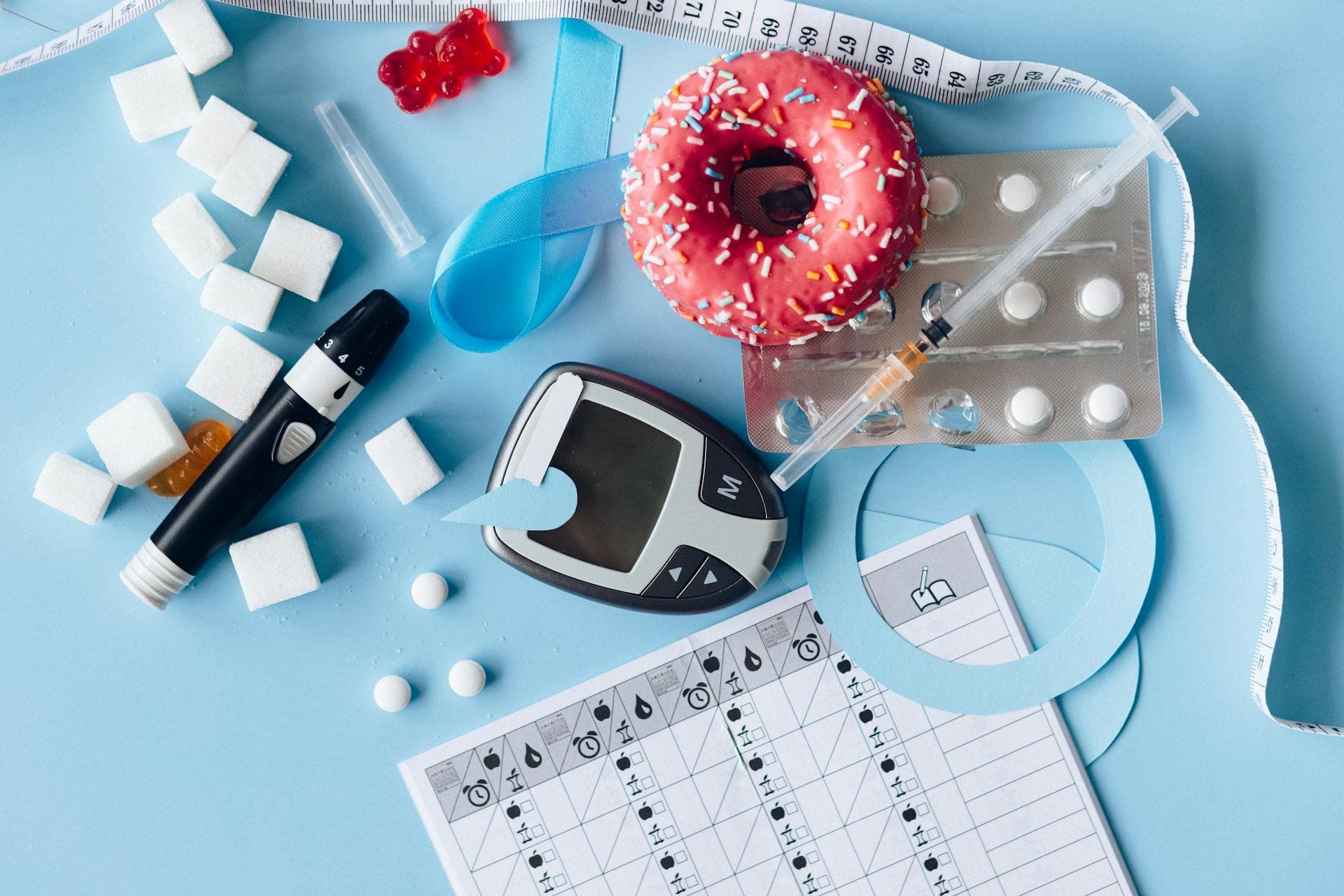
You bought MK-677 because someone on Reddit said it is "basically growth hormone in a pill." No injections, no reconstituting vials, no refrigeration. Pop 25 mg before bed and wake up with better sleep, fuller muscles, and slowly improving body composition.
What they did not mention: MK-677 raises your fasting blood sugar more than any other compound in the secretagogue category. Not slightly. In clinical trials, fasting glucose jumped 25% within two weeks. One case report documented a healthy 34-year-old bodybuilder developing a HbA1c of 11.4% after just 26 days.
MK-677 is not a SARM. It is not anabolic. It is a ghrelin receptor agonist that forces your pituitary to secrete growth hormone 24 hours a day, and the metabolic cost of that continuous GH exposure is insulin resistance. If you are not monitoring your blood sugar, you are gambling with a metabolic problem that can take months to reverse.
This article is for harm reduction and educational purposes only. MK-677 (ibutamoren) is not approved for human use by any regulatory agency. In Australia, it is a Schedule 4 prescription-only medicine when used therapeutically, but is commonly sourced from research chemical vendors without prescription. Nothing here constitutes medical advice.
Quick answer: MK-677 at 25 mg/day raises fasting glucose by 10-20 mg/dL (0.5-1.1 mmol/L) in most users within 2-4 weeks. Get baseline fasting glucose, HbA1c, and fasting insulin before starting. Recheck at 4 weeks. If fasting glucose exceeds 5.6 mmol/L (100 mg/dL) or HOMA-IR exceeds 2.0, consider adding metformin 500 mg/day or reducing to 10-15 mg. If fasting glucose exceeds 7.0 mmol/L (126 mg/dL) at any point, stop immediately. Full monitoring protocol and clinical evidence below.
MK-677 is not a SARM
This needs to be stated clearly because it is the most common misconception. MK-677 (ibutamoren) is sold alongside SARMs by research chemical vendors, listed in "SARM stacks," and discussed in SARM forums. It is not a selective androgen receptor modulator.
MK-677 is a non-peptide ghrelin receptor (GHS-R1a) agonist. It mimics the hunger hormone ghrelin and binds to the same receptor in the pituitary gland and hypothalamus. This triggers growth hormone (GH) release. Unlike injectable GH peptides like ipamorelin or sermorelin, MK-677 is:
- Oral (no injections, no reconstitution)
- Active for ~24 hours (one dose per day)
- Non-pulsatile (continuous GH stimulation, not natural pulse patterns)
That last point matters. Natural GH secretion occurs in pulses, primarily during deep sleep. Injectable peptides like ipamorelin mimic these pulses. MK-677 creates a flatter, more sustained GH elevation that resembles what you see with exogenous GH injections, and this continuous GH exposure is what drives insulin resistance.
What the clinical trials actually show
Chapman et al. (1996): the first alarm bell
The first major trial gave 25 mg/day to 32 elderly subjects for 4 weeks. Results:
- Fasting glucose increased 25.3% at 2 weeks and 26.9% at 4 weeks (from 5.4 to 6.8 mmol/L)
- IGF-1 increased to levels seen in young adults
- GH pulsatility increased, but the glucose cost was immediate and significant
Nass et al. (2008): the 12-month data
The longest MK-677 RCT enrolled 65 elderly subjects at 25 mg/day for 12 months. This is the most important dataset:
- HbA1c increased by 0.2% vs placebo (small but consistent)
- 8 out of 65 participants (12.3%) crossed the pre-diabetic threshold of HbA1c > 6.0%
- 3 participants were discontinued for hyperglycemia
- Mean fasting glucose increased by ~7 mg/dL (0.4 mmol/L)
- IGF-1 was restored to young-adult levels (~1.5x increase) and sustained for the full 12 months
- Importantly, glucose effects did not progressively worsen after the first year, suggesting some metabolic adaptation
Murphy et al. (1998): obesity amplifies the risk
This trial gave 25 mg/day to obese males for 8 weeks. Key finding: obesity significantly amplifies MK-677's glucose and insulin elevating effects. If you are carrying significant body fat, your baseline insulin resistance is already elevated, and MK-677 stacks more insulin resistance on top.
Soucek et al. (2022): the worst-case scenario
A 34-year-old bodybuilder presented with HbA1c of approximately 11.4% after just 26 days of MK-677 use. This is frank diabetes territory, not pre-diabetes. The patient likely had undiagnosed insulin resistance prior to starting, but the speed of deterioration is sobering.
The Soucek case is not typical, but it is not a freak event either. The patient was a bodybuilder with likely pre-existing metabolic stress from high calorie intake, possible prior PED use, and potentially undiagnosed impaired glucose tolerance. If you fit any of these descriptions, you are at elevated risk. Baseline bloodwork is not optional.
Why MK-677 causes insulin resistance
Growth hormone is a counter-regulatory hormone to insulin. Its primary metabolic function is to mobilize fat stores and preserve glucose for the brain during fasting or stress. When GH is elevated:
- Hepatic glucose output increases: Your liver releases more glucose into the bloodstream
- Peripheral glucose uptake decreases: Muscle and fat cells become less responsive to insulin
- Lipolysis increases: Free fatty acids flood the bloodstream, further impairing insulin signaling (lipotoxicity)
With injectable GH, you control the dose timing and can mimic natural pulses. With MK-677, GH stimulation is continuous over 24 hours because the compound's half-life covers the full day. This means your body never gets a break from the anti-insulin effects of elevated GH.
Additionally, MK-677 directly activates GHS-R1a receptors on pancreatic islet cells, which may independently affect insulin secretion patterns (Copinschi et al., 1997).
The dose-response relationship
From available clinical data:
| Dose | Fasting Glucose Change | IGF-1 Increase | Clinical Use |
|---|---|---|---|
| 10 mg/day | +5-10 mg/dL (0.3-0.6 mmol/L) | ~30-50% | Lowest effective dose for sleep/recovery |
| 15 mg/day | +7-12 mg/dL (0.4-0.7 mmol/L) | ~40-60% | Community "sweet spot" for risk/benefit |
| 25 mg/day | +10-20 mg/dL (0.6-1.1 mmol/L) | ~50-80% | Clinical trial dose; highest glucose cost |
| 50 mg/day | No RCT data | Ceiling effect likely | Not recommended; risk without proportional benefit |
The IGF-1 response plateaus at higher doses because your pituitary has a ceiling for GH output. But the glucose cost continues to climb. This is why the community trend toward 10-15 mg/day rather than the 25 mg used in trials makes metabolic sense.
The monitoring protocol
Before you start (baseline)
These three markers are non-negotiable before your first dose:
| Marker | Target Range | Why |
|---|---|---|
| Fasting glucose | Below 5.6 mmol/L (100 mg/dL) | Baseline metabolic health. If already above 5.6, do not start MK-677 |
| HbA1c | Below 5.7% (39 mmol/mol) | 3-month average glucose. If above 5.7%, you are already pre-diabetic |
| Fasting insulin | Below 10 mIU/L | Needed for HOMA-IR calculation |
Calculate your HOMA-IR: (HOMA-IR = fasting glucose in mmol/L x fasting insulin in mIU/L / 22.5)
- Below 1.0: Excellent insulin sensitivity. Lower risk with MK-677
- 1.0-1.9: Normal. Proceed with monitoring
- 2.0-2.5: Borderline. Strongly consider lower dose (10 mg) or skip MK-677
- Above 2.5: Insulin resistant. Do not use MK-677
If you cannot get fasting insulin measured (some labs require a doctor's order), at minimum get fasting glucose and HbA1c. These two together give you a reasonable picture of metabolic health. But HOMA-IR is far more sensitive for catching early insulin resistance.
Week 4 check (critical)
This is the most important single blood draw. Glucose effects appear within 1-2 weeks and are well-established by week 4.
| Marker | Action Threshold |
|---|---|
| Fasting glucose | Above 5.6 mmol/L: add metformin or reduce dose. Above 7.0 mmol/L: stop immediately |
| Fasting insulin | Above 15 mIU/L: recalculate HOMA-IR, consider intervention |
| HOMA-IR | Above 2.0: reduce dose to 10 mg. Above 3.0: discontinue |
Week 8-12 (extended use)
If you passed the week 4 check, recheck the full panel at 8-12 weeks:
- Fasting glucose
- HbA1c (now meaningful, reflects the 2-3 months of MK-677 use)
- Fasting insulin
- IGF-1 (confirm you are actually getting the GH benefit you want)
If HbA1c has risen above 5.7% from a normal baseline, the cumulative metabolic cost is not worth the GH benefit. Discontinue or switch to injectable peptides.
Beyond 12 weeks
For users running MK-677 long-term (common in the community), repeat the glucose/insulin panel every 8-12 weeks. The Nass trial showed some metabolic adaptation after year one, meaning glucose effects may plateau. But this was in elderly subjects, not bodybuilders eating 3,000+ calories with potential concurrent PED use.
When to add metformin
Metformin is the most commonly used pharmaceutical to offset MK-677's glucose effects. The rationale is sound: metformin reduces hepatic glucose output (the primary mechanism MK-677 uses to raise blood sugar) and improves peripheral insulin sensitivity.
When to start:
- HOMA-IR above 2.0 on MK-677 (up from a normal baseline)
- Fasting glucose consistently above 5.6 mmol/L
- You want to run 25 mg/day and your week 4 glucose is borderline
Typical dose: 500 mg/day with dinner, increasing to 1,000 mg/day if needed. Extended-release (metformin XR) is better tolerated with fewer GI side effects.
Important caveat: Metformin may blunt the mTOR signaling that drives muscle protein synthesis. Some research suggests it can interfere with muscle hypertrophy. If you are taking MK-677 for its anabolic/recovery effects, metformin partially undermines that goal. This is an active debate in the research literature, and the clinical significance in healthy, training adults is unclear.
Berberine as an alternative
Berberine 500 mg two to three times daily is an over-the-counter option with similar glucose-lowering mechanisms to metformin (AMPK activation, hepatic glucose output reduction). It is commonly used in the bodybuilding community specifically because it does not require a prescription.
For a deeper look at GH-related insulin resistance and pharmaceutical management, see our GH and Insulin Resistance guide.
MK-677 vs injectable GH: the metabolic cost comparison
This is the question the community argues about endlessly. Here is the practical comparison:
| Factor | MK-677 (25 mg/day) | Injectable GH (2-3 IU/day) |
|---|---|---|
| IGF-1 increase | ~50-80% above baseline | ~50-100% (dose-dependent) |
| Fasting glucose impact | +10-20 mg/dL (continuous) | +5-15 mg/dL (pulsatile, less impact) |
| GH pattern | Flat, continuous (24h) | Pulsatile if dosed correctly (mimics physiology) |
| Route | Oral | Subcutaneous injection |
| Cost | ~$30-50/month (research chemical) | ~$150-500/month (pharmaceutical or UGL) |
| Appetite increase | Significant (ghrelin mimetic) | Minimal |
| Water retention | Significant | Moderate |
| Sleep quality | Often improved (GH pulse during sleep) | Improved if dosed pre-bed |
The key difference: injectable GH at 2-3 IU produces comparable IGF-1 elevation with less metabolic disruption because you can control timing and create pulsatile patterns. MK-677's 24-hour flat GH elevation creates disproportionately more insulin resistance per unit of IGF-1 gained.
If you can afford injectable GH and are comfortable with injections, it is the metabolically superior option. MK-677's advantage is convenience and cost.
Community cycling strategies: Many users run MK-677 in cycles rather than continuously: 8 weeks on / 4 weeks off, or 5 days on / 2 days off. The rationale is giving your glucose metabolism recovery windows. There is no clinical data on these patterns, but the logic of periodic metabolic recovery is sound. If you run continuous MK-677, monitoring becomes even more important.
Other MK-677 side effects that need monitoring
While blood sugar is the primary concern, MK-677 has other effects worth tracking:
Appetite increase
MK-677 directly activates ghrelin receptors, making appetite increase a pharmacological effect, not just a side effect. This can be extreme in some users. Dosing at bedtime helps some people sleep through the worst of it, but others report raiding the fridge at 2 AM.
If you are using MK-677 during a cut, the appetite increase may completely undermine your calorie deficit. Consider whether this compound actually serves your current goal.
Water retention
GH-mediated sodium and water retention is common. Expect 2-4 kg of water weight in the first 2-4 weeks. This is cosmetic (bloating, puffy face, carpal tunnel-like symptoms in hands) and reverses on cessation. It does not require intervention unless blood pressure rises significantly.
Prolactin
Some users report mild prolactin elevation on MK-677. This is not well-documented in clinical trials but appears occasionally in community bloodwork. If you notice nipple sensitivity or other prolactin-related symptoms, add it to your next blood panel.
Who should not use MK-677
Based on the clinical evidence and risk factors:
- Fasting glucose above 5.6 mmol/L: You are already pre-diabetic. MK-677 will make it worse
- HbA1c above 5.7%: Same concern, measured over 3 months
- HOMA-IR above 2.5: Established insulin resistance
- Family history of Type 2 diabetes: Your genetic risk is already elevated
- BMI above 30 or high body fat percentage: Murphy (1998) showed obesity amplifies MK-677's metabolic effects
- Concurrent use of other GH secretagogues or exogenous GH: Stacking amplifies insulin resistance without proportional IGF-1 benefit (pituitary ceiling)
Monitor Your MK-677 Bloodwork with VitalMetrics
Upload your blood tests and track glucose, HbA1c, insulin, and HOMA-IR over time. Our AI analysis flags metabolic trends before they become problems.
Try it FreeKey takeaways
- MK-677 is not a SARM. It is a ghrelin receptor agonist that stimulates continuous GH secretion for 24 hours
- Clinical trials show fasting glucose increases of 10-20 mg/dL at 25 mg/day, with 12% of participants crossing pre-diabetic thresholds in 12 months
- Get baseline fasting glucose, HbA1c, and fasting insulin (for HOMA-IR) before starting. This is non-negotiable
- Check fasting glucose at week 4. If above 5.6 mmol/L, reduce dose or add metformin. If above 7.0 mmol/L, stop
- Lower doses (10-15 mg/day) provide meaningful IGF-1 elevation with significantly less glucose disruption
- Injectable GH produces comparable IGF-1 increases with less metabolic cost due to pulsatile vs continuous GH patterns
- Do not use MK-677 if you have pre-existing insulin resistance, pre-diabetes, or BMI above 30
Enjoying this article?
Get evidence-based bloodwork guides delivered to your inbox every two weeks. No spam, unsubscribe anytime.
Support My TRT
Found this helpful? Keep the articles (and my TRT) going.
Buy Me a CoffeeOr donate crypto
bc1qhd…u5gp0x12CE…C1e4Send only the matching coin to each address. More ways to support

Found this helpful? Keep the articles (and my TRT) going.
References
-
Chapman, I. M., Bach, M. A., Van Cauter, E., et al. (1996). Stimulation of the growth hormone (GH)-insulin-like growth factor I axis by daily oral administration of a GH secretagogue (MK-677) in healthy elderly subjects. Journal of Clinical Endocrinology & Metabolism, 81(12), 4249-4257. PubMed
-
Nass, R., Pezzoli, S. S., Oliveri, M. C., et al. (2008). Effects of an oral ghrelin mimetic on body composition and clinical outcomes in healthy older adults: a randomized trial. Annals of Internal Medicine, 149(9), 601-611. PubMed
-
Murphy, M. G., Plunkett, L. M., Gertz, B. J., et al. (1998). MK-677, an orally active growth hormone secretagogue, reverses diet-induced catabolism. Journal of Clinical Endocrinology & Metabolism, 83(2), 320-325. PubMed
-
Soucek, P., Strizova, Z., & Soucek, O. (2022). MK-677-induced diabetes in a bodybuilder: a case report and review of the literature. Clinical Diabetes, 40(4), 453-456. PMC
-
Copinschi, G., Van Onderbergen, A., L'Hermite-Baleriaux, M., et al. (1997). Effects of a 7-day treatment with a novel, orally active, growth hormone (GH) secretagogue, MK-677, on 24-hour GH profiles, insulin-like growth factor I, and adrenocortical function in normal young men. Journal of Clinical Endocrinology & Metabolism, 82(7), 2078-2083. PubMed
-
Svensson, J., Lonn, L., Jansson, J. O., et al. (1998). Two-month treatment of obese subjects with the oral growth hormone (GH) secretagogue MK-677 increases GH secretion, fat-free mass, and energy expenditure. Journal of Clinical Endocrinology & Metabolism, 83(2), 362-369. PubMed
Stay on top of your bloodwork
Get evidence-based articles on bloodwork, TRT, and harm reduction delivered to your inbox every two weeks.